
Are Ethical Menus Profitable?
- Sep 30, 2025
- 4 min read
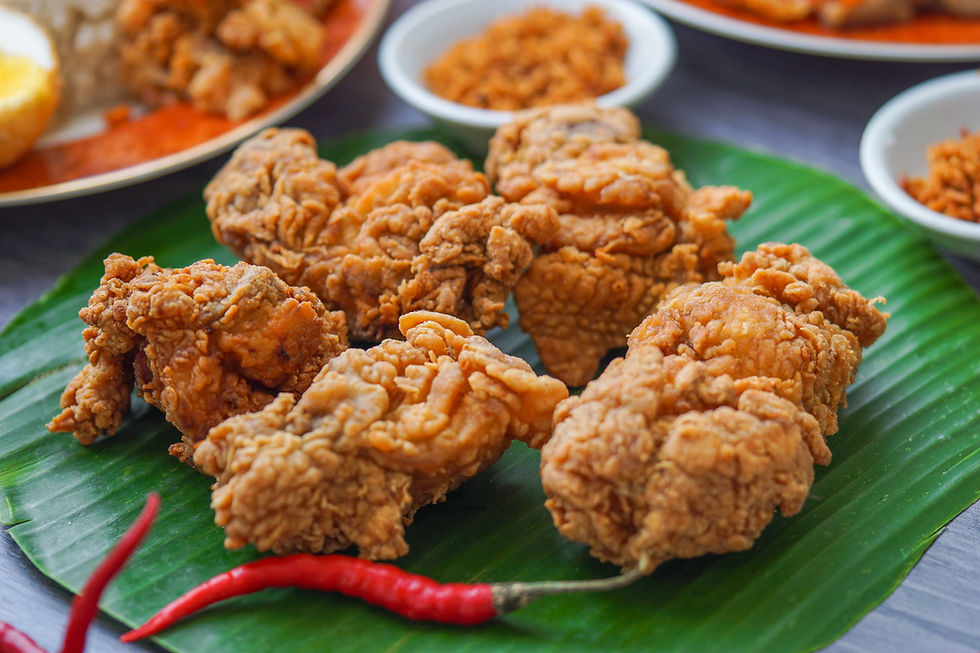
Cododaq’s 1,000 Person Waitlist for Sustainable Fried Chicken Appears to Prove They Can Be
Sustainability as a movement in the restaurant industry has lost momentum over the last year. With inflation pressure on consumer pockets diners are weighing ethical values against affordable options. Ethical eating, or choosing a restaurant based on its sustainability focus, appears to have waned. Investors have pulled away from sustainable restaurant models generating a ripple effect across the industry that has pushed chefs and owners to ponder what consumers want most. Are people choosing where to eat out based on sustainable sourcing or where they can get the most, or best tasting food for their dollar?
Sustainable cost structures have been tough to maintain and scale for most restaurants. In fact, a majority of those that set lofty goals in the sustainability department have struggled to reach them or maintain a profitable business while pursuing ethical standards. It’s simply expensive to source these ingredients.
Yet, the New York based Cododaq restaurant is set to generate $20 million in revenue in 2025 thanks to their famous sustainable fried chicken. Their success suggests there is a way to turn ethical eating into a profitable business, and even more so, proving that restaurants are a platform to influence food production.
Why Does Cododaq Have a 1,000 Person Waitlist?
Attaching monetary value to ethical choices is tricky. Cododaq isn’t the only restaurant attempting to ethically influence consumers on a broad scale through menu offerings. There are plenty of places consumers can go to dine where the menu not only lists food items but includes information about water and land usage or emissions. Some show their support of local farms and ranches by listing them on the menu. Others opt to describe the health benefits of sustainable eating rather than add too much data to menus and websites. And others have rebranded themselves in pursuit of green goals banking on a consumer willingness to spend more and offset the higher cost of sustainable ingredients.
The hope is that with this information handy customers will consider spending their money on the most sustainable options. But it is a tough job to attach everyday spending habits to water levels, medical fact sheets, and land use that the average consumer never personally encounters.
While no restaurant can claim 100% sustainability, Cododaq hits enough marks to earn it a cult following and with it, a platform to invite consumers to consider how their financial choices in regards to food can impact environmental health.
What are they doing well?
For one, they have a single sustainable offering; fried chicken. The birds, sourced from an Amish farm certified under humane and pasture raised standards, are fried in cultivated oil. Their entire menu is not made up of sustainable sourced ingredients, but the item that seems to get people in the door is. They focused on one menu offering and they have perfected it. While beef could be a future menu item, they know they haven’t nailed down the cost structure based on an excellent flavor profile to present it as a high dollar menu item. So, they don’t.
The chicken they offer (reportedly) tastes really good as evidenced by the 1,000 person waitlist. They are offering a meal that could be considered a fast food option, but they are presenting it as a luxury experience. Even before you could reserve a table the sustainable american dish was offered through Peaking House at pop up restaurants and through third party delivery systems with a Korean twist that quickly became popular.
Cododaq has also made it affordable. For just $42 dollars you can sit down to a high end value meal of fried chicken and side dishes. It might be more than what you would spend per person at Kentucky Fried Chicken or for a value meal at McDonald’s, but it’s still attainable. Yet, unlike a chain restaurant with a fairly fixed customer base, Cododaq appeals to a broad range of customers; those who want to purchase caviar topped chicken nuggets and those who are content to pay the per person fee to experience the sustainable cult worthy meal. Where chain restaurants will experience pushback on price increases, Cododaq can charge two to three times more than an average chain and attract diners willing to pay the higher price thanks to their broad appeal.
According to hospitality executive Simon Kim, what they are still working to figure out in cost structure is for now offset by the sheer volume of people waiting to get into Codoaq. Demand is strong and once people sit down to eat they are spending money on more expensive menu items like caviar, seafood and champagne.
Popular Restaurants Equal Big Sustainable Platforms
When it comes to encouraging sustainable purchases, Cododaq believes restaurants hold a unique place. Unlike grocery stores where shoppers are making purchasing choices quickly and while looking at cost comparisons, an enjoyable dining experience creates the space for consumers to make thoughtful decisions. They are selling a lifestyle that feels luxurious, ethically sound and attainable. Along the way they are building a national platform in support of sustainably sourced food.
According to a study conducted by Toast, 73% of surveyed individuals consider the sustainability of a restaurant before deciding where to dine and 72% said they were willing to spend more on a meal if the establishment adhered to sustainable practices of some kind from ingredient sourcing, to packaging, to waste management. However, 39% expressed that cost was the biggest barrier to choosing a sustainable option.
Because Cododaq offers an affordable and sustainable meal they have garnered support nationwide and are expected to open similar restaurants in other major cities. Is it an ethical spin on an American classic that has earned the sustainable fried chicken such a following? Or the atmosphere of the establishment itself that makes consumers feel like they are making smart choices without sacrificing anything to do so?
Either way, Cododaq has established a platform that chefs and investors are taking note of. The dining out experience is set for a makeover that could mimic the Pecking House and Cododaq model of honing in on a sustainable niche and scaling up. These business models could create real competition for chains who have a lot of fixed costs and minimal wiggle room when it comes to prioritizing sustainable goals but keeping costs within consumer budgets. Restaurants with the most flexibility could become the biggest influences on consumer perception of ethical decision making.


Comments